✉ : adishaktiyogashala@gmail.com | ☎ : +91 9400005021
Yoga Alliance
RYS 300 | RYS 200
6+ Teachers
In-house
Four Locations
Easy Registration
Enroll Now

50 Hour Yin Yoga Teacher Training Varkala Kerala

Adishakti Yogashala Varkala > 50 Hour Yin Yoga Teacher Training Varkala Kerala

YIN YOGA TEACHER TRAINING

LOCATION :VARKALA | KERALA

Yin Yoga Teacher Training in Varkala Kerala India – Deepen Your Practice at Adishakti Yogashala

Discover the art of slowing down, listening to your body and exploring the deeper dimensions of yoga through Yin Yoga Teacher Training at Adishakti Yogashala in Varkala, Kerala. Designed for yoga practitioners, aspiring teachers and wellness professionals, this training offers an opportunity to study the principles of Yin Yoga, understand its approach to the body and mind, and develop the skills to guide mindful, accessible sessions.

Unlike dynamic yoga practices that emphasise continuous movement and muscular engagement, Yin Yoga invites practitioners to remain in selected postures for longer periods, using stillness, breath awareness and suitable support to explore sensations without forcing the body.

At Adishakti Yogashala, we approach Yin Yoga as a practice of patience, observation and self-awareness. Through a combination of theory, guided practice and teaching exercises, students can build a deeper understanding of this meditative style and learn how to incorporate it responsibly into their personal practice or teaching repertoire.

Whether you are an existing yoga teacher looking to expand your skills or a practitioner interested in the quieter side of yoga, this training provides a foundation for exploring Yin Yoga in a thoughtful and structured way.

What Is Yin Yoga?

Yin Yoga is a slow-paced style of yoga in which postures are generally practised with relaxed muscular effort and held for a period suited to the individual, the posture and the teacher’s approach. Many poses are performed on the floor, with props such as bolsters, blocks and blankets used to support the body.

The practice encourages students to observe physical sensations, breathing patterns and mental responses while remaining within a comfortable and appropriate range of movement.

Yin Yoga is often discussed alongside the Taoist concept of Yin and Yang, which describes complementary qualities such as stillness and activity, softness and strength, and rest and movement. In a yoga context, this provides a useful framework for understanding how slower practices can complement more dynamic styles.

Yin Yoga is not about pushing deeper into a stretch or achieving a particular shape. It is about learning to recognise individual differences, respond to sensations with awareness and develop a sustainable relationship with practice.

Why Join a Yin Yoga Teacher Training Course?

A dedicated Yin Yoga teacher training allows you to explore the practice beyond simply learning a collection of postures. It helps you understand why a posture may be suitable for one student but not another, how to create a balanced sequence and how to guide a class that allows space for stillness.

At Adishakti Yogashala, the training can help you develop a more considered approach to your own practice while building the foundations needed to teach others.

Understand the Principles of Yin Yoga

Explore the central principles of Yin Yoga, including stillness, appropriate sensation, individual variation and the importance of allowing sufficient time for transitions and recovery.

Develop a Deeper Understanding of Anatomy

Study the basic anatomy relevant to Yin Yoga, including joints, connective tissues, fascia and individual differences in skeletal structure. Learn why students may experience the same posture differently and why one alignment does not suit every body.

Explore Meditation and Breath Awareness

Discover how silence, mindful breathing and body awareness can be incorporated into a Yin Yoga session. Learn to guide students without overloading the practice with instructions, allowing them time to observe their own experience.

Learn to Design Meaningful Yin Yoga Sequences

Develop the ability to organise postures into a coherent class, taking into account the intended focus, the needs of the students, transitions, prop use and the balance between effort and rest.

Build Confidence as a Yoga Teacher

Practise giving clear instructions, offering appropriate variations and creating a supportive atmosphere. Teaching exercises and feedback can help you develop your communication skills and become more comfortable guiding longer-held postures.

Yin Yoga Teacher Training Curriculum

1.Introduction, History and Philosophy of Yin Yoga

Begin with an overview of Yin Yoga, its modern development and the philosophical ideas commonly associated with the practice.

Topics may include:

  • Meaning and fundamental principles of Yin Yoga.

  • Yin and Yang as complementary qualities.

  • The relationship between stillness, movement and awareness.

  • How Yin Yoga differs from more dynamic yoga styles.

  • The role of patience, observation and non-forcing.

  • Connections between Yin practice, meditation and self-study.

This foundation helps students understand the intention behind the practice rather than approaching it as a series of long stretches.

2. Yin Yoga Anatomy and Physiology

Anatomy is an essential part of responsible Yin Yoga teaching. Students need to understand how bodies differ and how posture choices can be adapted to individual needs.

Topics may include:

  • Basic skeletal anatomy and joint structure.

  • Major joints involved in common Yin Yoga postures.

  • Fascia and connective tissues.

  • Functional anatomy and natural skeletal variation.

  • Flexion, extension, rotation and lateral movement.

  • Understanding sensations during longer-held postures.
  • Safe use of props and appropriate posture modifications.

  • Contraindications and situations requiring extra care.

The focus is on using anatomical knowledge to make informed teaching decisions, not on assuming that every student should achieve the same physical shape.

3. Yin Yoga Asanas and Practical Training

Explore a range of commonly taught Yin Yoga postures and learn how to adapt them to different bodies and levels of experience.

The practice may include:

  • Butterfly Pose.

  • Half Butterfly Pose.

  • Dragon Pose and its variations.

  • Sleeping Swan and alternative hip-opening postures.

  • Caterpillar Pose.

  • Sphinx and Seal variations.

  • Supported chest-opening postures.

  • Gentle spinal twists.

  • Supported reclining postures.

  • Child’s Pose and other resting positions.

For each posture, students can explore its purpose, entry and exit, suitable hold duration, use of props, common sensations and alternatives.

The aim is to develop the ability to teach a posture with awareness and adaptability rather than asking every student to copy an identical shape.

4. Meridian Theory and Traditional Chinese Medicine

Many contemporary Yin Yoga approaches draw on meridian theory and concepts from Traditional Chinese Medicine (TCM). This framework associates meridian pathways with particular regions of the body and, traditionally, with organ systems and energetic functions.

During this module, students may explore:

  • An introduction to meridians and their place in TCM.

  • Yin and Yang relationships in traditional theory.

  • The traditional Five Element framework.

  • Meridian pathways commonly discussed in Yin Yoga.

  • How meridian concepts inform certain Yin Yoga sequences.

  • The relationship between traditional energetic models and mindful movement.

Meridian theory should be understood as a traditional framework, not as a scientifically established map of anatomy or proof that a posture treats a particular organ or medical condition.

5. Yin Yoga Sequencing and Class Planning

Learning how to sequence a class is one of the most useful skills for a future Yin Yoga teacher. A thoughtful sequence considers the overall theme, posture choices, transitions, time available and the needs of the group.

Students can learn to plan:

  • Full-body Yin Yoga sequences.

  • Hip-focused sessions.

  • Gentle spinal mobility sequences.

  • Upper-body and shoulder-focused practices.

  • Restorative-style sessions using appropriate support.

  • Sequences for beginners.

  • Short sessions and longer practice classes.

  • Closing relaxation and meditation.

You will also explore how to balance longer holds with transitions and rest, and how to make adjustments when a posture is uncomfortable or unsuitable.

6. Meditation, Mindfulness and Pranayama

Yin Yoga creates opportunities to observe the breath and the mind during periods of relative stillness. This module explores how breathing and awareness practices can support a quieter, more reflective class.

Topics may include:

  • Foundations of breath awareness.

  • Natural breathing and relaxed observation.

  • Body scanning and mindful attention.

  • Guided meditation.

  • Using silence and verbal guidance effectively.

  • Suitable pranayama practices.

  • Integrating relaxation into Yin Yoga sessions.

Breathing practices should be adapted to the student’s needs. Forceful techniques or prolonged breath retention are not automatically appropriate for a slow Yin Yoga class.

7. Teaching Methodology and Practical Application

Understanding Yin Yoga is different from knowing how to teach it. This module focuses on communicating clearly and responding appropriately to students.

Students can practise:

  • Introducing the purpose of a Yin Yoga session.

  • Explaining postures in simple, accessible language.

  • Giving options rather than prescribing one shape.

  • Using props to improve comfort and support.

  • Observing physical responses and facial expressions.

  • Recognising when a student should modify or leave a posture.

  • Managing class timing and transitions.

  • Using silence without leaving students feeling unsupported.

  • Planning and delivering a complete Yin Yoga class.

  • Reflecting on feedback and improving teaching skills.

Practical teaching helps students bring together the theoretical knowledge and personal experience developed during the course.

8. Contraindications, Adaptations and Responsible Teaching

Yin Yoga should be practised with respect for individual circumstances. Longer-held postures are not suitable in the same way for every person.

This module introduces the importance of screening, modifications and appropriate professional boundaries. Students learn to recognise when a posture should be changed, when a prop may help and when a participant should seek advice from a qualified healthcare professional.

Special consideration may be necessary for people with acute injuries, significant joint instability, recent surgery, osteoporosis or other health conditions. Pregnancy also requires individualised guidance and suitable modifications.

The role of a yoga teacher is to offer informed instruction within their scope of practice, not to diagnose or treat medical conditions.

Adishakti Yogashala

Amenities

Adishakti Yogashala

Course Fee Details

YIN YTTC

Private Room
€499/ Person
  • Single Room
  • 3 Meals Per Day
  • Outing
  • Study Materials

YIN YTTC

Shared Room
€399/ Person
  • Shared Room
  • 3 Meals Per Day
  • Outing
  • Study Materials

YIN YTTC

Female Dorm
€349/ Person
  • Shared Room
  • 3 Meals Per Day
  • Yogic Lifestyle Kit
  • Study Materials
Adishakti Yogashala

IMPORTANT FACTS

INCLUSIONS
EXCLUSIONS
IMPORTANT DATES
PROGRAM SCHEDULE
TERMS AND CONDITIONS
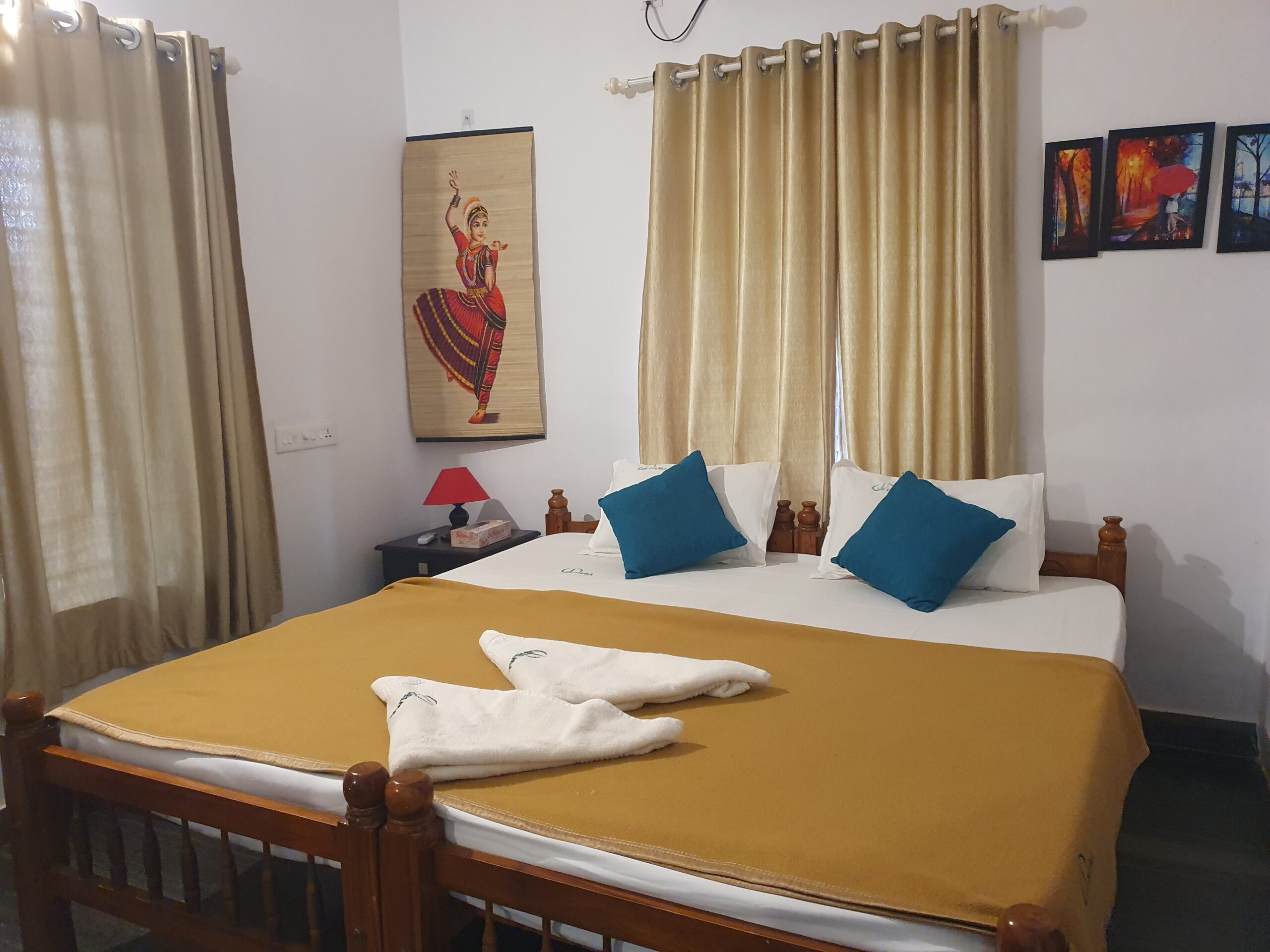
  • Single/Shared Accommodation 
  • Wake-up Ayurvedic Tea
  • 3 Meals/ Day
  • Backwater Visit & Kayaking
  • Study Materials, Yoga Mat, etc.(Bring White Dress)

**You need to pay for the extra Fruits and Juice items.

  • Airport Pickup and Drop
  • Additional books,note books, note pads etc
  • Ayurveda Massages and Treatments
  • Doctor Consultation

January 
Check-in :24nd
Check-out :30th

February
Check-in :24nd
Check-out :30th

March
Check-in :24nd
Check-out :30th

**You need to pay extra amount for the additional days.

6:00 – 7:30 am Yin Practice

7:30 – 8:30 am Pranayama

10:30 – 11:30 pm Yin Anatomy

11:30 – 12:30 pm Philosophy

5:00 – 6:30 pm Yin Methodology

7:00 – 8:00 pm Meditation


1. The student’s behavior and attitude, both private and public while at the venue, should respect the local culture and enhance the spiritual atmosphere.
2. Standards of Conduct
 -Student should maintain an atmosphere encouraging mutual respect, civil and congenial relationships and free from all forms of  harassment and violence, where everyone can discuss their differences and exchange ideas openly, honestly and respectfully.
 -Use respectful language without using profanity, vulgarity, insults, abusive language, and verbal threats.  
3. Unless otherwise specified, photography or video filming is not allowed in the venue during any Sadhana (spiritual practice) times i.e. during Meditation, Satsang, Asana class, lectures, … This helps to maintain a tranquil and protected environment for all.
4. Attendance and participation in scheduled classes are mandatory. If students expect to be absent from any scheduled event for whatever reason, notice must be submitted to the program coordinator. Too many absences from scheduled classes may result in the student being dismissed from the course and asked to leave the course.
5. Students leaving the course before completion are required to return all their teaching materials.
6.Balance course fee, you need to pay in cash(INR,USD,EURO,POUND..). There will be some extra charge if you are paying via credit/debit card. All transaction fees are the responsibility of the registrant.
7.Cancellation Policy: €200 is a non-refundable fee for your application. This amount will increase to full amount for cancellation 2 weeks before the training starts and the totality of your deposit will be kept for last minute cancellation. In some cases, however, it can be used for a next TTC but only with the approval of the Adishakti Management and for a valid reason. If for some reason Adishakti Management has to cancel the TTC, the Advance amount/Full fee will be refunded.
Refund Policy : The fees are non-refundable and non-transferable, unless the course is cancelled by the school.

Adishakti Yogashala's

2023-24 Yoga TTC Calendar Varkala,Kerala,India

Month and Year YIN DATES Booking Options
January 2027 24th to 30th Book Now
February 2027
24th to 2nd March Book Now
March 2027 24th to 30th Book Now